



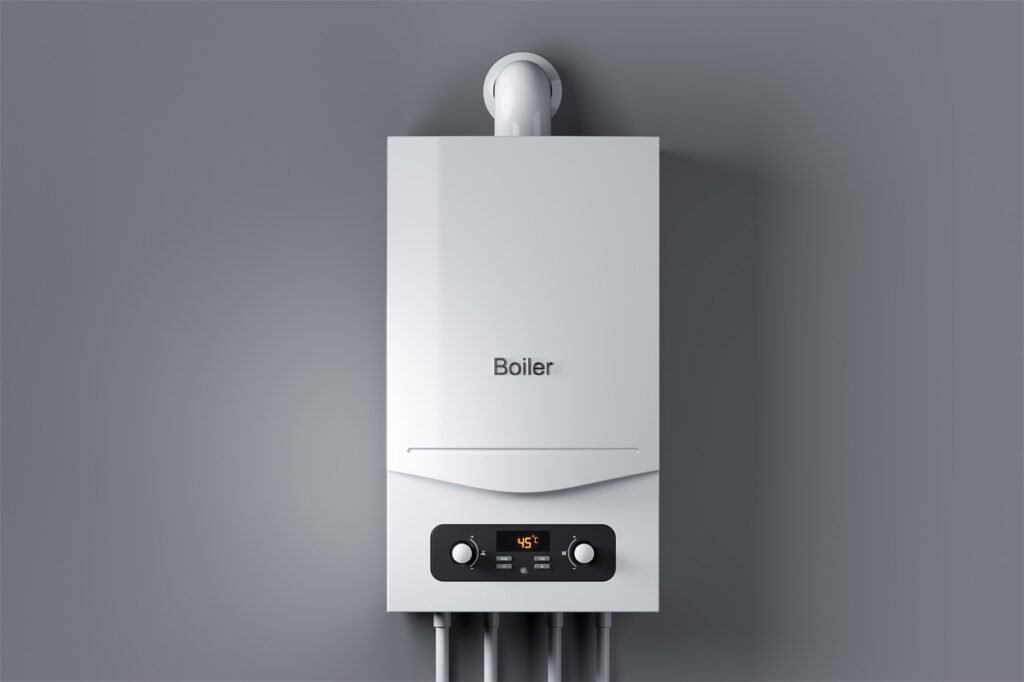
The Quiet Workhorse of Your Home: Everything You Should Know About Boilers
There's a good chance the most expensive appliance in your home is one you almost never think about. It sits in a cupboard, a utility room, or tucked away in the loft, humming quietly to itself, and you only really notice it when something goes wrong — usually on the coldest morning of the year. The humble boiler heats your radiators, delivers your hot showers, and quietly burns through a substantial chunk of your annual energy bill. Understanding how it works, what type you have, and how to look after it can save you money, prevent breakdowns, and help you make smarter decisions when the time comes to replace it.
What a Boiler Actually Does
Despite the name, most domestic boilers don't actually boil water. They heat it. Cold water enters the boiler, passes through a heat exchanger warmed by burning gas (or oil, or an electric element), and leaves hot — either to circulate through your radiators or to come out of your taps. The "boiler" name is a holdover from older systems that genuinely did produce steam, and it's stuck around even though the technology has moved on.
In the UK, the vast majority of homes are heated by gas combi boilers, but the landscape is changing fast as heat pumps, hydrogen-ready models, and tighter efficiency regulations reshape what people install.
The Three Main Types
Combi boilers are the most common choice in modern UK homes. They heat water on demand directly from the mains, which means no hot water tank, no cold water cistern in the loft, and good water pressure at the taps. They're compact and efficient for small to medium households, but they can struggle if multiple people want to shower at the same time.
System boilers work alongside a hot water cylinder, usually in an airing cupboard. They're a better fit for larger homes with several bathrooms because they can supply hot water to multiple outlets at once without the pressure dropping. The trade-off is the space the cylinder takes up and the fact that once the stored hot water runs out, you have to wait for it to reheat.
Conventional boilers (sometimes called regular or heat-only boilers) are the traditional setup with both a hot water cylinder and a cold water tank in the loft. They're increasingly rare in new installations, but they remain common in older properties with low mains pressure or extensive existing pipework that would be expensive to rip out.
Efficiency: Why It Matters More Than the Sticker Price
A new boiler is a significant purchase, and it's tempting to focus on the upfront cost. The bigger number, though, is what you'll spend running it over the next ten to fifteen years. Modern condensing boilers are required by law in the UK to meet a minimum efficiency rating, and the best models recover heat from exhaust gases that older boilers simply vented out of the flue. That can mean a difference of hundreds of pounds a year on your gas bill compared to a boiler from twenty years ago.
The ErP (Energy-related Products) label gives you a quick A-to-G rating, but the more useful figure is the seasonal efficiency percentage. Anything above 92% is considered very good. The flagship models from major manufacturers now push above 94%.
Looking After Your Boiler
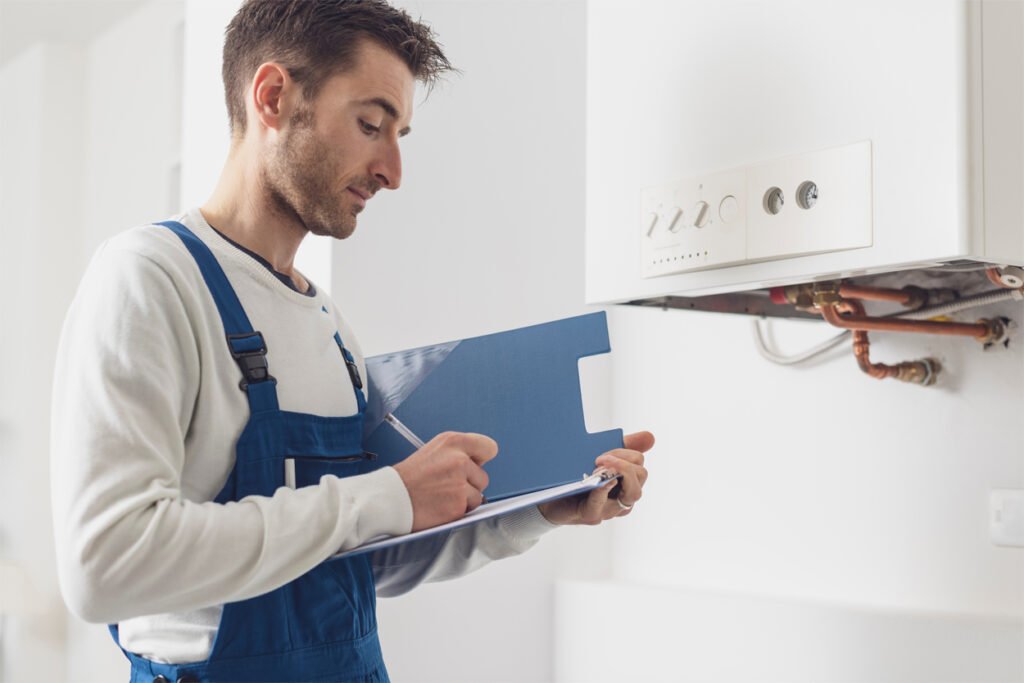
Three habits will extend the life of almost any boiler. First, get it serviced once a year by a Gas Safe registered engineer. This isn't a sales pitch — small issues caught during a service are vastly cheaper to fix than the breakdowns they grow into. Second, keep the pressure topped up to the level shown in your manual, usually somewhere between 1 and 1.5 bar when the system is cold. Third, bleed your radiators when you notice cold spots at the top, because trapped air forces your boiler to work harder for less heat.
Power flushing — having a professional flush sludge and debris out of your heating system — is worth considering every five to ten years, especially in older properties. Sludge buildup is one of the leading causes of premature boiler failure.
When It's Time to Replace
A well-maintained boiler should last twelve to fifteen years, sometimes longer. Signs that yours is approaching the end include rising energy bills despite no change in usage, frequent breakdowns, strange noises (kettling, banging, gurgling), and an inability to hold pressure. If you're spending more than a third of the cost of a new boiler on repairs in a single year, replacement is almost always the better economic choice.
The decision is more interesting now than it used to be. Heat pumps are increasingly viable for UK homes, government grants have made the upfront cost more manageable, and depending on your home's insulation and your willingness to live with slightly different heating habits, a heat pump can deliver lower running costs and dramatically lower carbon emissions. For homes that aren't suited to heat pumps yet, hydrogen-ready boilers are designed to be converted when (and if) the gas grid transitions to hydrogen blends.
A Final Thought
Your boiler is one of those bits of household infrastructure that rewards a small amount of attention with years of reliable service. A yearly service, a glance at the pressure gauge now and then, and a willingness to call someone the moment something seems off — that's most of what's needed. And when the time finally comes to replace it, take your time researching the options. The right boiler for your home depends on your hot water needs, your space, your fuel options, and increasingly, your appetite for moving away from gas altogether.